Get Poison Ivy Removal
Local contractors offer Poison Ivy removal services to safely eliminate invasive plants from yards, landscapes, fences, or wooded areas, preventing skin irritation and property damage.
If your property is affected by poison ivy, finding reliable removal services is an important step toward maintaining a safe and enjoyable outdoor space. Property owners in the area may consider professional removal to prevent potential skin irritation, protect children and pets, and preserve the beauty of their landscape. Exploring local contractors who specialize in plant removal can help ensure the job is handled effectively and safely, giving you peace of mind as you plan your outdoor projects.
Comparing options among local service providers can help identify the right professionals for your specific needs. Whether you're managing a small yard or a larger property, working with experienced contractors can streamline the removal process and support ongoing landscape care. Keep reading to discover how local experts can assist with poison ivy removal and help you make informed decisions for your property’s health and safety.
- Poison Ivy Removal - needed when poison ivy plants are growing on your property and pose a skin irritation risk.
- Poison Ivy Clearing - required when invasive ivy spreads across yards, fences, or trees, threatening landscape health.
- Poison Ivy Control - necessary to prevent further growth after initial removal efforts by local contractors.
- Poison Ivy Eradication - sought when poison ivy has become established in hard-to-reach areas or dense patches.
- Poison Ivy Cleanup - needed after removal to safely dispose of plant debris and prevent re-growth.
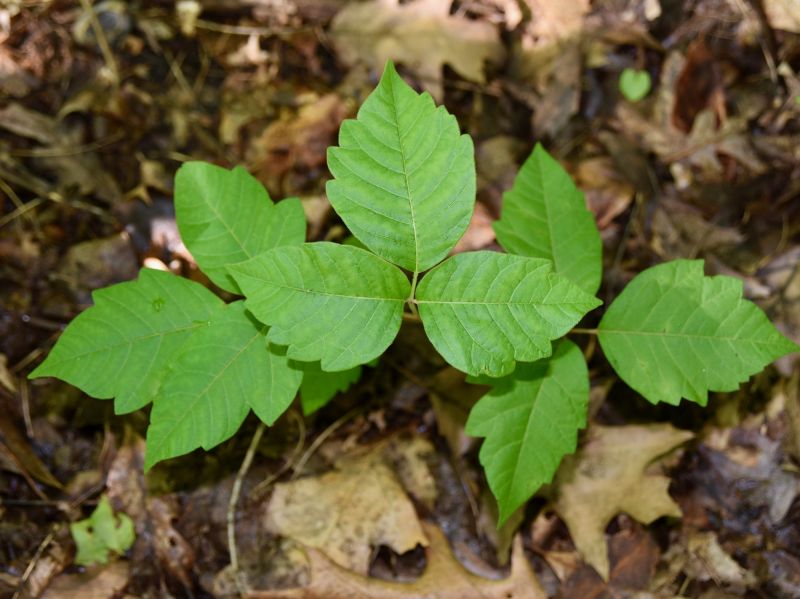
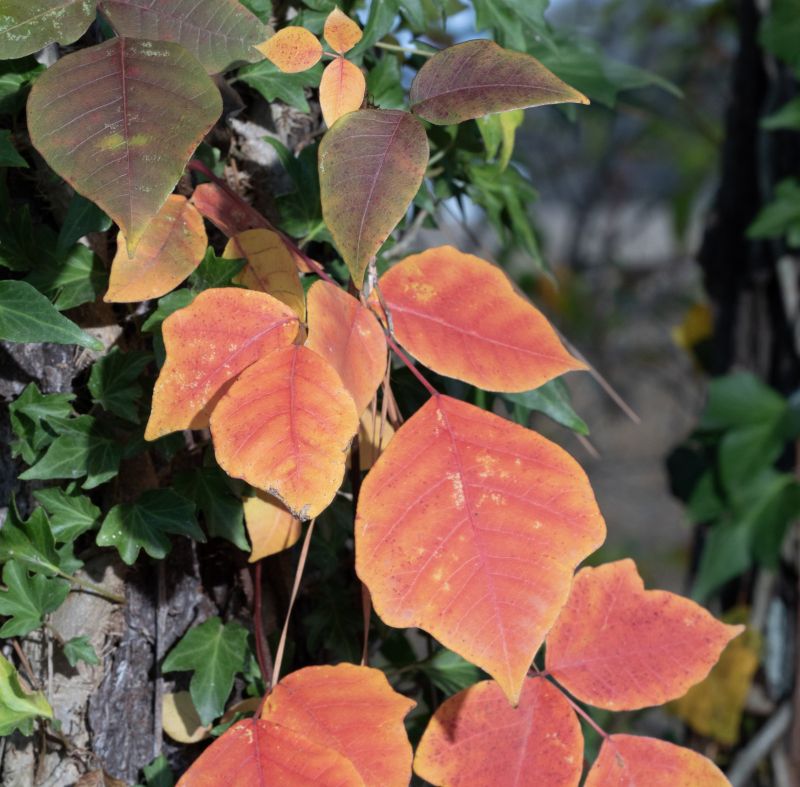
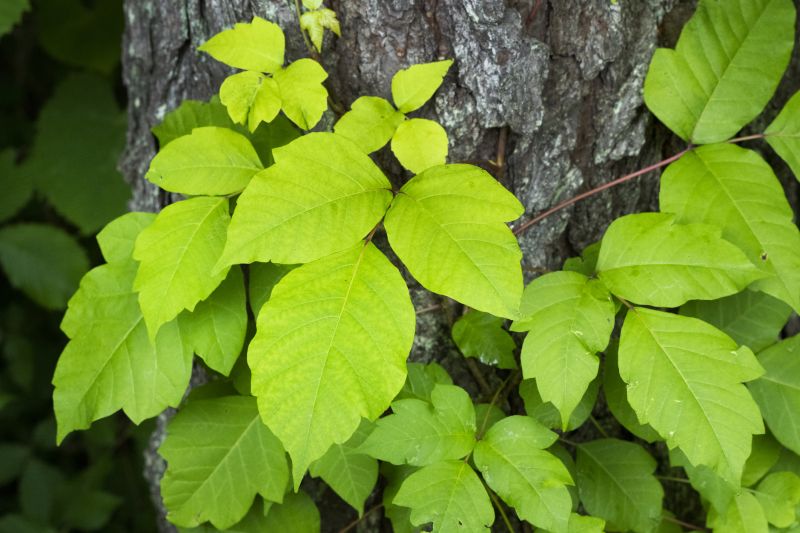
Poison ivy removal services involve identifying and safely eliminating this invasive plant from residential or commercial properties. Skilled contractors typically assess the affected areas to determine the extent of the growth and develop an effective plan for removal. The process may include carefully pulling or cutting back the plants, treating remaining roots with targeted herbicides, and ensuring that the poison ivy does not return. Proper removal is essential to prevent the plant from spreading further and to protect property owners and visitors from potential skin irritation or allergic reactions caused by contact with the plant’s urushiol oil.
This service helps solve common problems associated with poison ivy growth, such as unsightly overgrowth, safety hazards, and the risk of skin reactions. Poison ivy can quickly take over yards, fences, and shaded areas, making outdoor spaces less enjoyable and more dangerous to navigate. For properties with children, pets, or frequent visitors, removing poison ivy is a crucial step in maintaining a safe environment. Additionally, poison ivy can damage landscaping and native plants by competing for resources, so removal can also help preserve the health of the surrounding vegetation.
Properties that often use poison ivy removal services include residential yards, commercial landscapes, parks, and community spaces. Homes with wooded or shaded areas are particularly susceptible to poison ivy growth, especially along fences, trees, and garden beds. Commercial properties such as outdoor dining areas, walking trails, or sports fields may also require regular removal to ensure safety and maintain a clean appearance. In some cases, property owners may seek professional assistance after attempting to remove poison ivy themselves and finding the task too difficult or dangerous.
Local contractors offering poison ivy removal services are equipped to handle a variety of property types and sizes. Whether dealing with a small backyard or a large commercial lot, these service providers can assess the situation and recommend the most effective approach for complete removal. Engaging experienced professionals ensures that poison ivy is eradicated thoroughly, reducing the likelihood of regrowth and minimizing potential health risks. Contacting local experts can help property owners restore their outdoor spaces safely and efficiently.
The overview below groups typical Poison Ivy Removal projects into broad ranges so you can see how smaller, mid-sized, and larger jobs often compare in your area.
In many markets, a large share of routine jobs stays in the lower and middle ranges, while only a smaller percentage of projects moves into the highest bands when the work is more complex or site conditions are harder than average.
Smaller Jobs - Removing poison ivy from a small area typically costs between $250 and $600. Many routine jobs fall within this range, especially for residential yards with limited growth.
Moderate Projects - Larger, more established infestations or multiple affected areas usually range from $600 to $1,200. Many local contractors handle these projects regularly within this middle band.
Extensive Removal - Large-scale or heavily overgrown sites can cost $1,200 to $3,000, with fewer projects reaching into this higher range. These often involve significant labor and equipment.
Full Removal and Cleanup - Complete removal of poison ivy from extensive properties or commercial sites can exceed $3,000, with larger, complex projects potentially reaching $5,000 or more. Local pros can assess the scope to provide accurate estimates.
Actual totals will depend on details like access to the work area, the scope of the project, and the materials selected, so use these as general starting points rather than exact figures.
Brush Clearing and Vegetation Management - local contractors skilled in clearing overgrown brush and managing dense vegetation can handle projects involving invasive plant removal similar to poison ivy eradication.
Tree and Shrub Removal - removing hazardous or unwanted trees and shrubs requires planning and tools comparable to those used in poison ivy removal efforts.
Landscaping and Yard Cleanup - landscape professionals experienced in clearing yard debris and invasive plants can provide services related to poison ivy removal in outdoor spaces.
Stump Grinding and Root Removal - stump and root removal projects involve excavation techniques and planning similar to those needed for invasive vine removal.
Fence and Barrier Installation - installing physical barriers to prevent plant spread involves planning and site preparation skills relevant to invasive plant control.
Hazardous Plant Disposal - handling and disposing of potentially harmful plants requires safety awareness and disposal methods akin to poison ivy removal procedures.
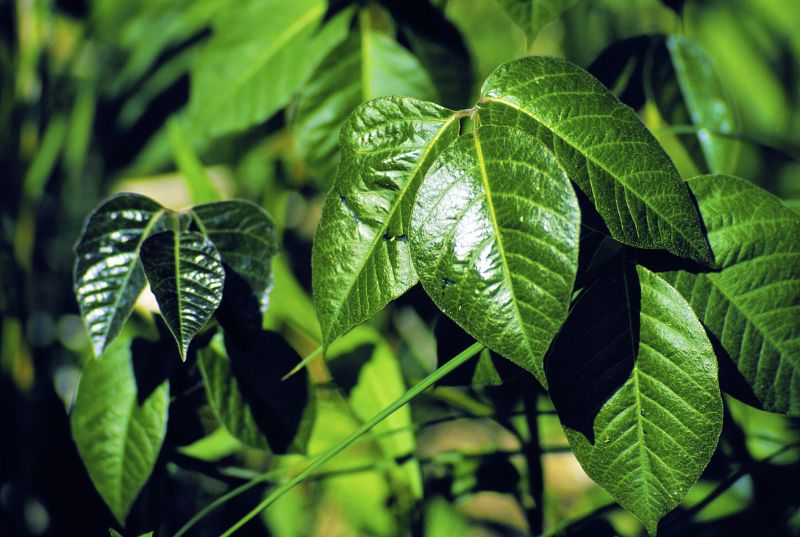
When comparing service providers for Poison Ivy removal, it’s important to consider their experience with similar projects. Homeowners should look for contractors who have a proven track record of safely and effectively handling plant removal tasks in residential settings. An experienced local contractor will understand the common challenges associated with Poison Ivy and know the best practices for removal and prevention, which can help ensure the job is done thoroughly and correctly the first time.
Clear written expectations are a key factor in choosing the right professional. Homeowners should seek out service providers who can provide detailed descriptions of their services, including what is included and any potential limitations. Having a well-defined scope of work helps prevent misunderstandings and ensures that both parties are aligned on the project’s goals. Reputable local contractors typically communicate their process openly and can offer guidance on what to expect during and after the removal.
Reputable references and good communication are essential when evaluating local pros. Homeowners should ask for references or reviews from previous clients to gauge the quality of work and reliability of the service provider. Additionally, a contractor who maintains open, responsive communication can help clarify questions and provide updates throughout the project. It’s worth noting that this site introduces homeowners to local options for Poison Ivy removal, serving as a resource to connect with qualified service providers rather than performing the work directly.
Property owners use Poison Ivy Removal services for practical projects around their homes and businesses. This guide focuses on everyday jobs and straightforward project options.
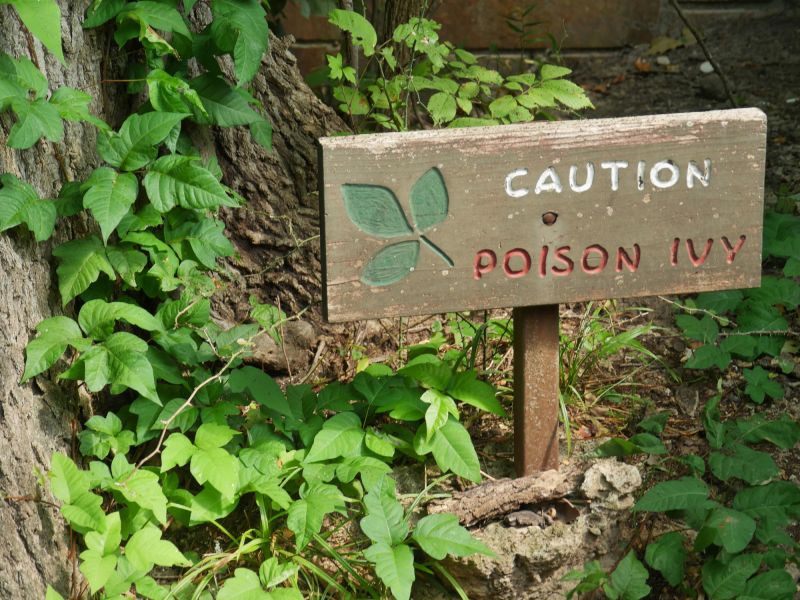
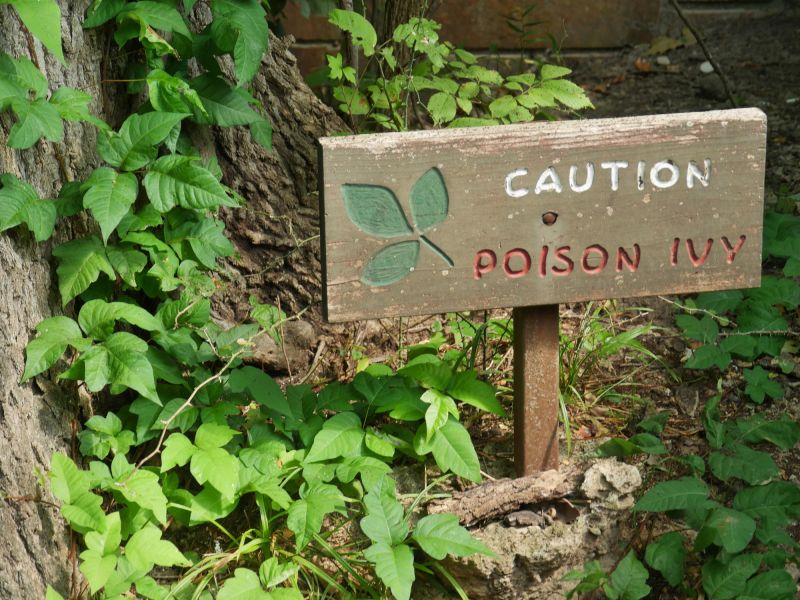
Poison ivy can quickly become a common concern for property owners dealing with overgrown yards, wooded areas, or neglected landscaping. When this plant starts to spread across a property, it can pose health risks to residents and visitors alike, especially if it comes into contact with skin. Local contractors who specialize in poison ivy removal are often called upon to clear these plants from residential and commercial properties, helping to maintain safe outdoor spaces and prevent accidental exposure.
In addition to health concerns, many property owners seek poison ivy removal services to protect their landscaping and prevent damage to trees, shrubs, and other plants. Overgrown patches can also hinder outdoor activities or make areas difficult to access. Local service providers are equipped to handle these situations efficiently, offering professional removal solutions that help restore the safety and appearance of outdoor environments.
What are the signs of poison ivy on my property? Common signs include clusters of reddish or skin-colored bumps, itchy blisters, or the characteristic three-leaf pattern of the plant. A professional can help identify poison ivy accurately.
How do local contractors typically remove poison ivy? They often use methods such as manual removal, herbicide application, or a combination of both to safely eliminate poison ivy from yards and landscapes.
Is it safe to remove poison ivy myself? Handling poison ivy can cause skin irritation or allergic reactions. It is generally recommended to hire experienced service providers for safe and effective removal.
What should I do if I come into contact with poison ivy? Wash affected skin thoroughly with soap and water as soon as possible, and avoid scratching. Consulting local pros for removal can prevent future contact.
Can poison ivy regrow after removal? Yes, if roots or remaining plant material are not completely removed, poison ivy can regrow. Professional removal helps ensure thorough elimination.
Poison Ivy Removal for Landscaping - Property owners can improve their yard safety and appearance by removing poison ivy from garden beds and lawn areas.
Hazard Prevention for Play Areas - Removing poison ivy near playgrounds and recreational spaces helps create a safer environment for children and pets.
Tree and Fence Line Clearing - Local contractors can clear poison ivy from around trees and fences to prevent damage and maintain property boundaries.
Seasonal Yard Cleanup - Incorporating poison ivy removal into regular yard maintenance keeps outdoor spaces clean and reduces the risk of skin irritation.
If you are thinking about Poison Ivy Removal for a property, this guide is meant to help you understand the work, the typical project types, and how different options might fit your plans.
When you are ready, you can use the quote form on this page to share a few details about your project. From there, local pros can review the basics and respond with options that match what you have in mind.