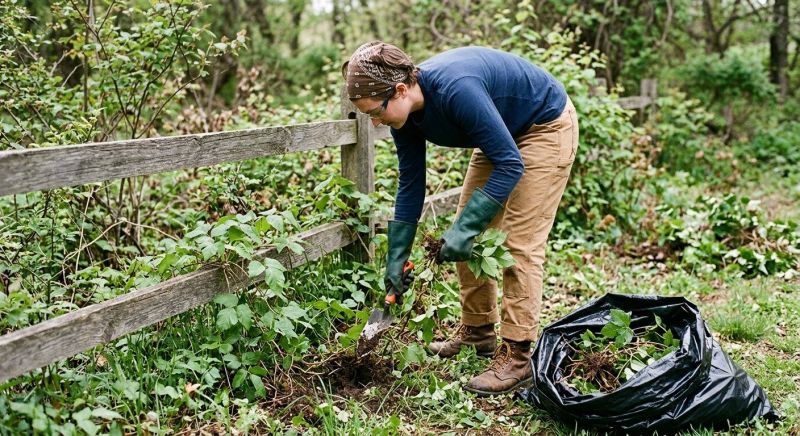
Poison Oak Removal in Burlington County, NJ
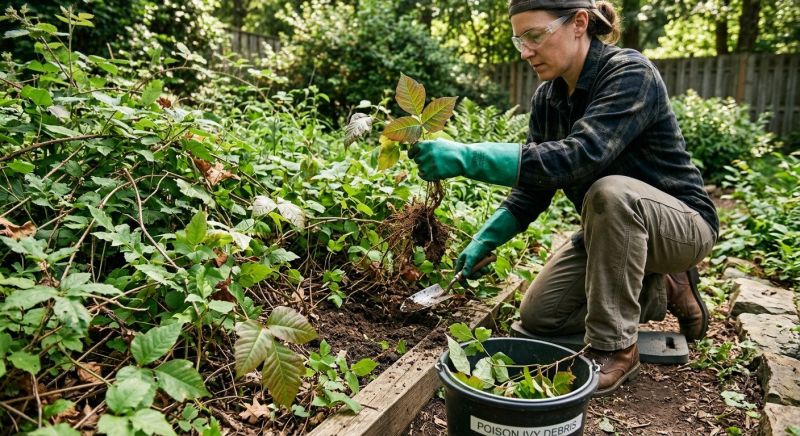
Poison oak removal services focus on safely and effectively eliminating this hazardous plant from residential properties. These services typically cover projects such as clearing overgrown areas, trimming shrubbery, and removing poison oak vines from trees or fences. Property owners often seek this service to protect family members, pets, and visitors from exposure, especially in yards, gardens, or outdoor recreational spaces where the plant may be spreading or difficult to identify. Understanding the extent of the growth, the location of the poison oak, and any specific safety concerns are important considerations before requesting removal.
Before requesting poison oak removal, property owners should evaluate the size and density of the affected areas, as well as the accessibility of the plants. It is helpful to identify whether the growth is confined to certain sections or widespread across the property. Additionally, knowing if there are any nearby structures, utility lines, or sensitive landscaping can influence the best approach for removal. Proper assessment ensures that the removal process is thorough and minimizes the risk of accidental contact or regrowth.
Many property owners in Burlington County, NJ look into Poison Oak Removal for repairs, replacements, upgrades, and appearance-related improvements.
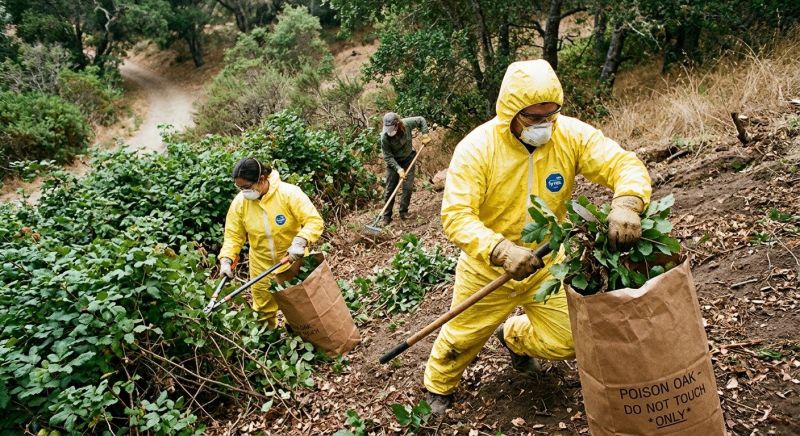
Poison Oak Removal For Yards
Removing poison oak helps maintain safe and healthy outdoor spaces in burlington county neighborhoods.
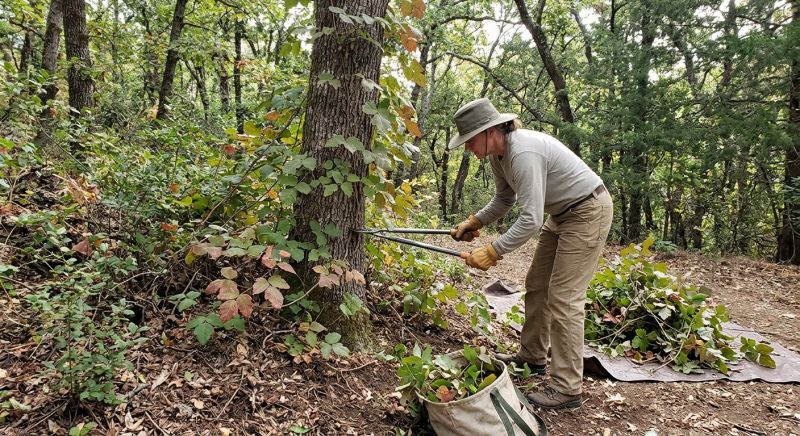
Hazard Prevention For Properties
Effective poison oak removal reduces the risk of skin irritation and allergic reactions for residents and visitors.
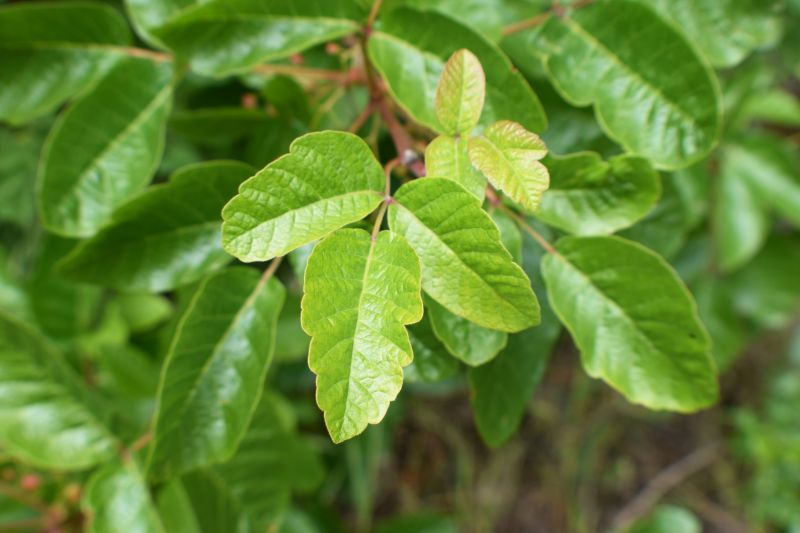
Land Clearing And Maintenance
Professional removal services support property management and ensure safe landscaping around homes and parks in the area.
Poison Oak Removal in Burlington County, NJ

Poison oak removal services focus on safely and effectively eliminating this hazardous plant from residential properties. These services typically cover projects such as clearing overgrown areas, trimming shrubbery, and removing poison oak vines from trees or fences. Property owners often seek this service to protect family members, pets, and visitors from exposure, especially in yards, gardens, or outdoor recreational spaces where the plant may be spreading or difficult to identify. Understanding the extent of the growth, the location of the poison oak, and any specific safety concerns are important considerations before requesting removal.
Before requesting poison oak removal, property owners should evaluate the size and density of the affected areas, as well as the accessibility of the plants. It is helpful to identify whether the growth is confined to certain sections or widespread across the property. Additionally, knowing if there are any nearby structures, utility lines, or sensitive landscaping can influence the best approach for removal. Proper assessment ensures that the removal process is thorough and minimizes the risk of accidental contact or regrowth.
Many property owners in Burlington County, NJ look into Poison Oak Removal for repairs, replacements, upgrades, and appearance-related improvements.
Common Poison Oak Removal Jobs
Poison Oak Removal - safely eliminates poison oak from residential landscapes.
Yard Clearing - removes poison oak to restore a safe outdoor space.
Brush and Shrub Removal - clears overgrown areas with poison oak infestations.
Landscaping Cleanup - ensures poison oak is removed before planting or construction.
Property Maintenance - prevents poison oak regrowth through targeted removal.
Vegetation Control - manages invasive plants including poison oak on residential properties.
Poison Oak Removal Questions
What is poison oak removal? Poison oak removal involves safely eliminating the plant to prevent skin irritation and protect the landscape.
Why is professional removal recommended? Professionals use proper techniques to remove poison oak effectively and reduce the risk of spreading or exposure.
What types of properties may need poison oak removal? Residential yards, parks, commercial properties, and any area where poison oak growth poses a concern.
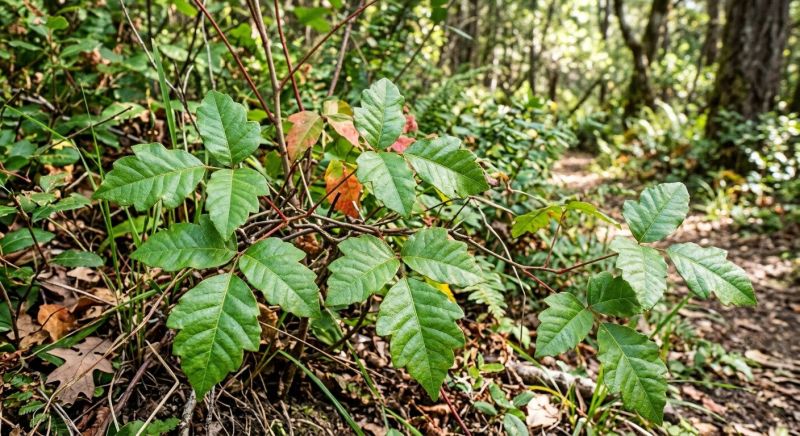
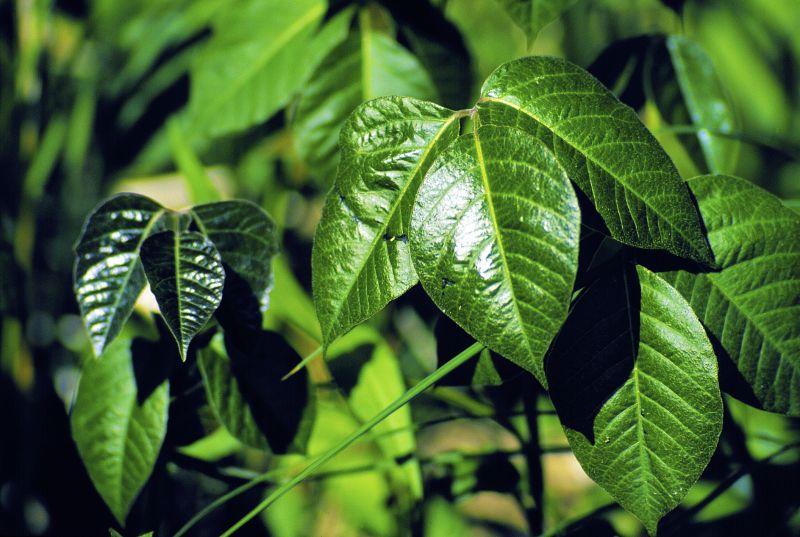
How can property owners identify poison oak? Poison oak typically has clusters of three leaflets with a shiny or matte surface and may have reddish stems or new growth.
Request Poison Oak Removal in Burlington County, NJ
Use the quote form on this page to share the basics of your project and request more information for the type of work you need.