Compare Local Contractors for Safe Poison Ivy Removal
Compare local contractors for poison ivy removal to define the scope, verify experience, and set clear expectations in writing for a safe, effective job.
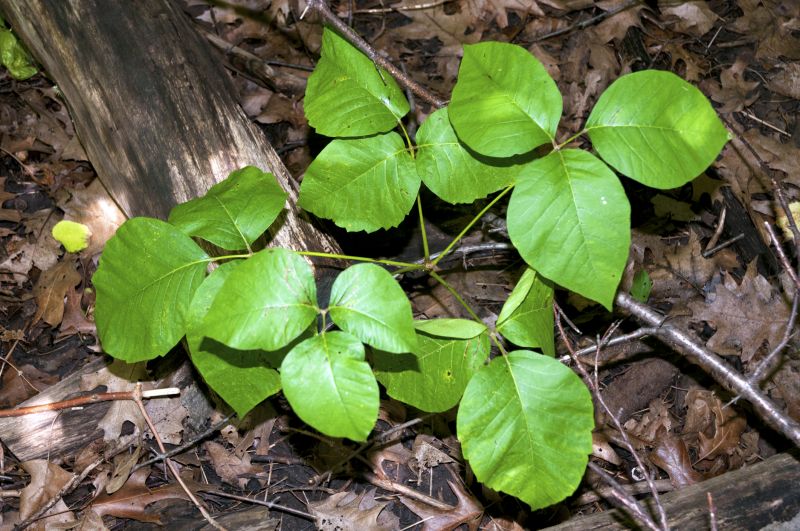
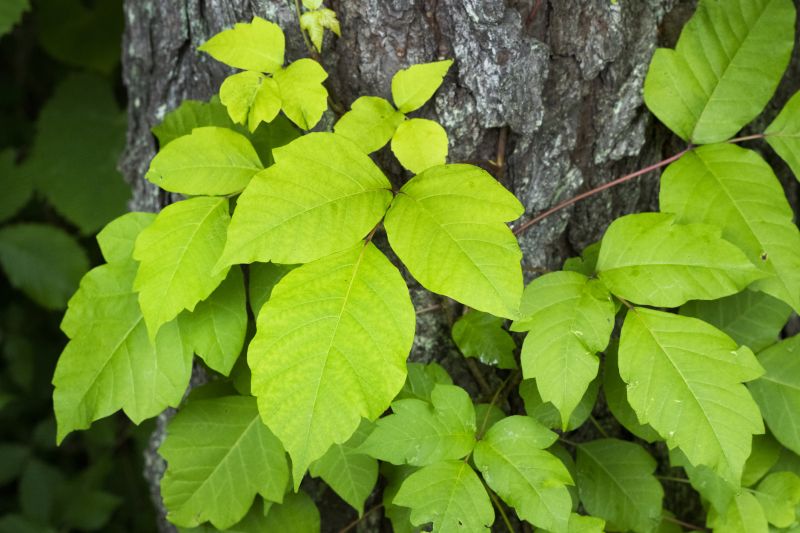
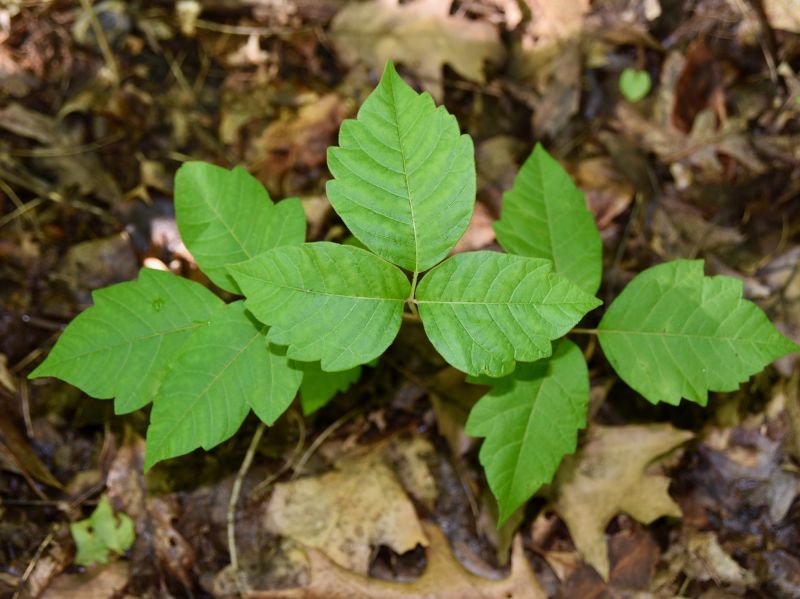
Poison ivy removal services typically involve identifying and safely eliminating the plant from residential or commercial properties. This work can include assessing the extent of the infestation, carefully removing the vines and roots, and ensuring that the plant does not regrow. Proper removal is important to prevent skin irritation and protect the health of people and pets on the property. Many contractors also offer advice on how to manage future growth and prevent re-infestation, helping property owners maintain a safe outdoor environment.
Defining the scope of poison ivy removal is a key step in ensuring the work meets specific needs. Clear communication about what areas need treatment, the methods used, and any additional services-such as property cleanup or plant disposal-helps set realistic expectations. A well-defined scope minimizes misunderstandings and ensures that both property owners and contractors are aligned on the work to be performed. It also provides a basis for comparing different service providers, making it easier to evaluate their experience and approach.
When choosing a local contractor for poison ivy removal, property owners should consider how to compare their options effectively. Verifying the experience of each service provider with similar projects can provide insight into their expertise. Reviewing the scope of work they offer and confirming that it aligns with specific property needs is also important. Additionally, setting expectations in writing-such as the work to be completed and the responsibilities of each party-helps create a clear understanding and reduces potential misunderstandings. This approach ensures that property owners can select a contractor who is well-equipped to handle the job safely and thoroughly.
Compare local contractors by outlining priorities, verifying experience, and setting clear expectations in writing.
- Compare Contractor Credentials - Verify experience and references to ensure reliable poison ivy removal services.
- Define Scope Clearly - Clearly outline the work to be done to set accurate expectations with service providers.
- Request Written Agreements - Obtain detailed written descriptions of the work to avoid misunderstandings.
- Assess Local Contractor Options - Review multiple local contractors to find those best suited for the specific removal needs.
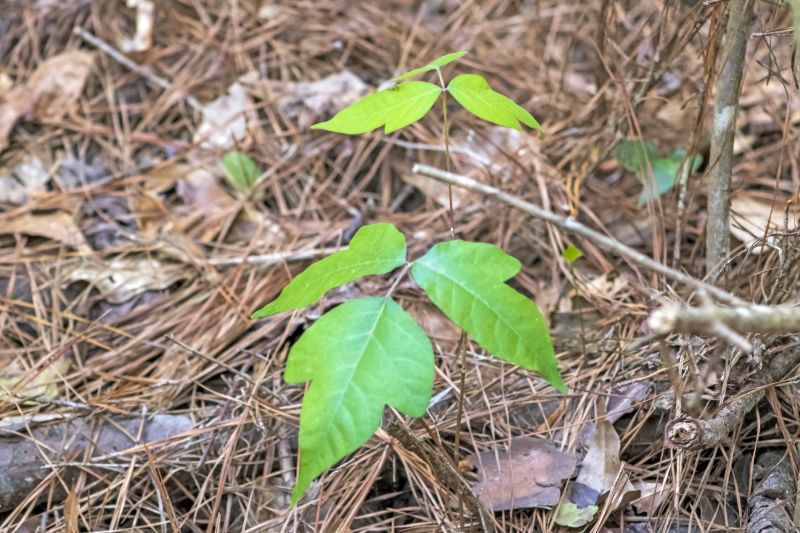
Clearly describe your poison ivy removal project to help local contractors compare options, define scope, and set expectations in writing.
- Verify experience and expertise in poison ivy removal to ensure proper handling of the job. - Look for local contractors who clearly outline the scope of work and removal methods.
- Compare service providers based on their ability to identify all affected areas and plan effective removal strategies. - Ensure contractors can differentiate poison ivy from similar plants to prevent missed spots.
- Confirm that contractors will provide a detailed written estimate that specifies the scope and expectations of the removal process. - Clarify whether they will handle root removal and disposal of plant debris.
- Check if the service providers follow recommended safety practices to protect property and surrounding vegetation during removal. - Ask about their approach to minimizing damage to nearby plants and landscaping.
- Review the contractor’s communication about the extent of work and any necessary follow-up or additional treatments. - Ensure expectations are clearly documented before work begins.
- Assess the contractor’s ability to provide references or examples of previous poison ivy removal projects upon request. - This can help verify their experience and quality of work.
Compare local contractors, clarify scope, verify experience, and document expectations for effective poison ivy removal.
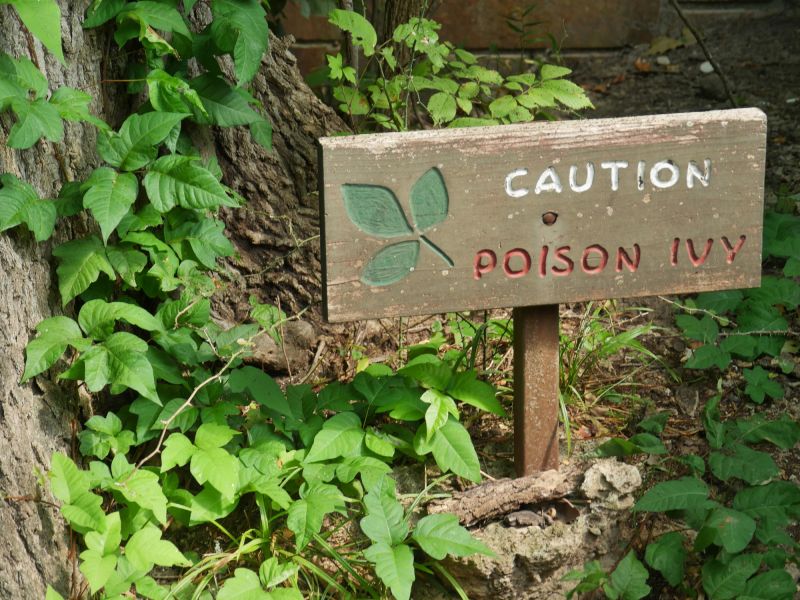
Use consistent scope descriptions to effectively compare local contractors’ experience and set clear expectations.
- Scope Definition - Clearly specify the extent of poison ivy removal needed, including affected areas and plant types.
- Experience Verification - Confirm that service providers have relevant experience handling poison ivy removal safely and effectively.
- Methodology Clarification - Understand the techniques and tools contractors plan to use for removal to ensure thoroughness and safety.
- Written Agreement - Obtain a detailed written scope of work outlining responsibilities, procedures, and any necessary follow-up.
- Comparison Criteria - Establish key factors such as experience, methods, and scope details to compare local contractors objectively.
When comparing contractors for poison ivy removal, it’s important to consider their experience with similar projects. Homeowners should inquire about the types of properties and environments where the service providers have performed poison ivy removal, ensuring they have practical knowledge of handling vegetation in settings comparable to their own. An experienced contractor will be familiar with the most effective removal techniques and safety precautions, which can help ensure the job is completed thoroughly and efficiently.
A clear, written scope of work is essential when evaluating potential service providers. Homeowners should seek detailed descriptions of what the removal process includes, such as the extent of vegetation removal, cleanup procedures, and any follow-up services. Having a well-defined scope helps prevent misunderstandings and ensures both parties agree on what will be accomplished. It also provides a basis for comparing different contractors’ offerings based on the comprehensiveness of their plans.
Verification basics are key to confidently choosing a poison ivy removal contractor. Homeowners should verify that the service providers have relevant experience, ask for references or examples of past projects, and clarify their familiarity with local vegetation and environmental considerations. While licensing and certification are not mandatory in this context, confirming a contractor’s track record and reputation can help ensure the work will meet expectations. Gathering this information allows for a more informed comparison of potential options.
Evaluating options without focusing on prices involves assessing the quality and clarity of each contractor’s proposal. Homeowners should compare how thoroughly each service provider explains their approach, the scope of work, and their experience. Asking questions about the methods used and requesting written documentation of the agreed scope can help set clear expectations. By focusing on the professionalism and transparency of each proposal, homeowners can select a service provider that aligns with their needs and standards for poison ivy removal.
Ask contractors to provide written scope of work to ensure clear expectations and consistent project details.
- Scope of Services - What specific tasks are included in the poison ivy removal process offered by different contractors?
- Experience and Expertise - How do local contractors demonstrate their experience with poison ivy removal projects?
- Materials and Methods - What removal techniques and tools do service providers typically use, and how do they compare?
- Work Guarantees and Warranties - Do contractors provide any written assurances regarding the effectiveness or completeness of the removal?
- Project Scope Clarification - How do local contractors define and document the scope of work to ensure clear expectations?
What should I consider when choosing a contractor for poison ivy removal? It's important to compare local contractors based on their experience with poison ivy, verify their scope of work, and ensure that expectations are clearly defined in writing to avoid misunderstandings.
How can I verify a contractor’s experience with poison ivy removal? You can review their previous work, ask for references, or inquire about their familiarity with different removal techniques to ensure they have relevant experience.
What questions should I ask a contractor before hiring for poison ivy removal? Ask about their process for identifying the extent of the plant, how they plan to remove it safely, and whether they will define the scope of work and expectations in writing.
Why is it important to define the scope of work in writing? Having a written scope helps clarify what services will be provided, sets clear expectations, and reduces the risk of disputes or misunderstandings during or after the job.
How can I compare different contractors for poison ivy removal? Consider their experience, scope of services offered, clarity of communication, and whether they provide detailed written agreements to make an informed comparison.
What are some common mistakes to avoid when hiring a poison ivy removal contractor? Avoid contractors who do not clearly define the scope of work, lack relevant experience, or do not provide written expectations, as these can lead to issues later on.
Homeowners now have the information needed to identify and evaluate contractors who specialize in poison ivy removal. Understanding how to define the scope of work, verify experience, and set clear expectations in writing can help ensure the project aligns with individual needs. Comparing options among nearby service providers allows for a more informed decision-making process.
To find the right contractor for poison ivy removal, visitors are encouraged to use the quote form to explore local options. This tool makes it easy to compare different service providers and connect with those qualified to handle the job. Taking the time to review and select the best fit can help set the foundation for a successful project.